
IMPULSE Project
- Home
- Synergies
- IMPULSE
REEVALUATE & IMPULSE synergy
IMPULSE and REEVALUATE are sister projects funded under the same Horizon Europe topic.
IMPULSE focuses strongly on what can happen after digital heritage becomes available: placing assets in shared immersive environments, creating new spatial narratives around them, supporting co-creation and exploring how cultural content can be reused in education, art and creative production.
This makes the collaboration especially relevant to the path from:
digitized cultural heritage → reuse-ready assets → immersive experiences and new creative contexts.
Together with DIGICHer, the projects participated in initial sister-project meetings, technical exchange, communication planning and a common presentation during Heritage Horizons / Europeana Project Week.
About IMPULSE
IMPULSE – IMmersive digitisation: uPcycling cULtural heritage towards new reviving StratEgies – is a Horizon Europe project exploring how digitized cultural heritage can be reused through immersive and collaborative digital experiences.
Running from February 2024 to January 2027, IMPULSE works across cultural heritage, extended reality, education, arts and the cultural and creative sectors. Its objectives include improving access to digitized cultural content, supporting its reuse in immersive environments, simplifying digitization and metadata workflows, addressing legal and ownership challenges, and building capacity among the communities working with digital heritage.
A central technological result is the IMPULSE Multi-User Virtual Environment (MUVE): a collaborative platform in which users can explore, create and interact within persistent virtual worlds using digitized cultural heritage assets and collections. The platform combines a web-based environment for managing collections, assets, worlds and user roles with an immersive client supporting synchronous multi-user interaction and co-creation.
Synergy at a glance
Main focus
Immersive reuse of digital cultural heritage
Exchange areas
XR and virtual environments, cultural heritage assets, skills, rights, policy and creative reuse
Collaboration type
Sister-project exchange, event participation, asset experimentation, skills development and joint policy work
Synergy activities
IMPULSE Hackathon, REEVALUATE Marketplace demonstration, Skills Lab development, immersive presentation of the Skills Lab concept, MoMu asset exchange and joint policy work
From REEVALUATE assets to immersive worlds
One of the most promising collaboration routes is the reuse of REEVALUATE cultural heritage assets inside the IMPULSE virtual environment.
The IMPULSE platform is designed specifically to integrate and manage digitized cultural heritage collections and to allow users to reuse those assets in collaborative virtual worlds. Users can build immersive spatial narratives, experiment collectively with heritage content and interact with other participants in the same environment.
Within REEVALUATE, MoMu – Fashion Museum Antwerp, has volunteered to explore contributing fashion-related digital assets for use in IMPULSE.
The two projects are now examining the appropriate assets, technical requirements and licensing conditions for this exchange. REEVALUATE is also examining whether material from its other pilots could be suitable.
The longer-term idea is not simply to transfer individual files, but to explore whether selected REEVALUATE heritage assets can become part of new immersive environments or experiences created through the IMPULSE platform.
This would provide another route for demonstrating the reuse potential of REEVALUATE results: assets originally digitized and contextualized within REEVALUATE could be taken into a sister project’s immersive environment and experienced in a completely different context.
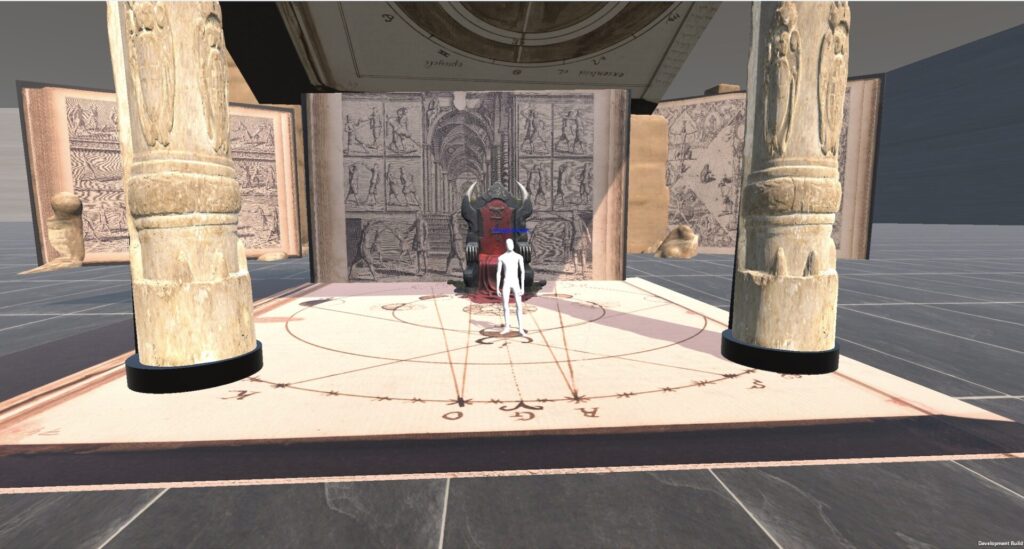
Figure 1: The IMPULSE Multi-User Virtual Environment enables digitized cultural heritage assets to be placed within immersive, explorable virtual spaces and reused in new narrative and creative contexts.
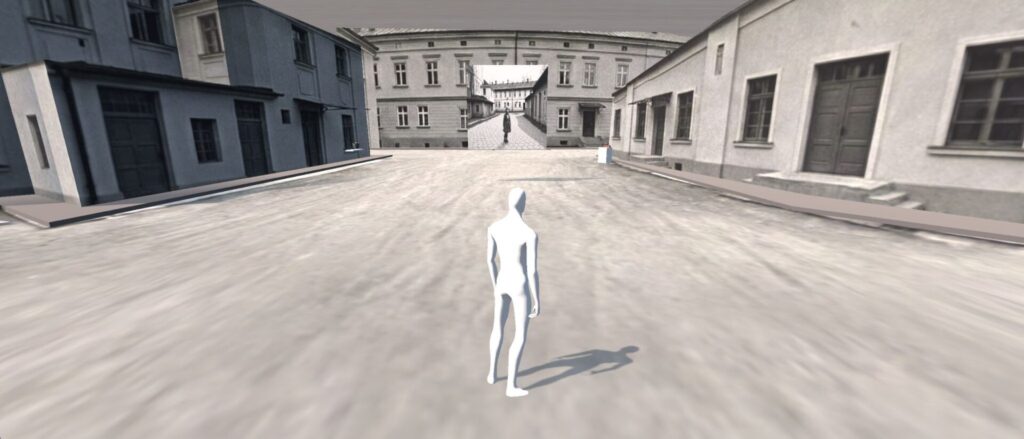
Figure 2: IMPULSE virtual environments provide a shared space where users can navigate, interact with and reinterpret digital cultural heritage, offering a potential destination for selected REEVALUATE assets from MoMu and other pilots.
Working together at the IMPULSE Hackathon
Our collaboration became more concrete during the IMPULSE Hackathon, held in Athens on 4–5 June 2026.
REEVALUATE participated in the event’s synergy session and presented:
The REEVALUATE Project: Results, Impact and Challenges
The session introduced the REEVALUATE framework, project results and its approach to making digital cultural heritage easier to contextualize, manage and reuse.
The presentation also included a demonstration of the REEVALUATE Marketplace, giving IMPULSE participants a direct view of how cultural heritage assets can be discovered and accessed through the project’s integrated platform.
The Hackathon provided a particularly relevant setting for the collaboration because its challenges connected cultural heritage, immersive technologies, creative reuse and professional skills. REEVALUATE also participated in Challenge 5, which focused on questions closely related to the skills and competences needed for the digital transformation and reuse of cultural heritage.
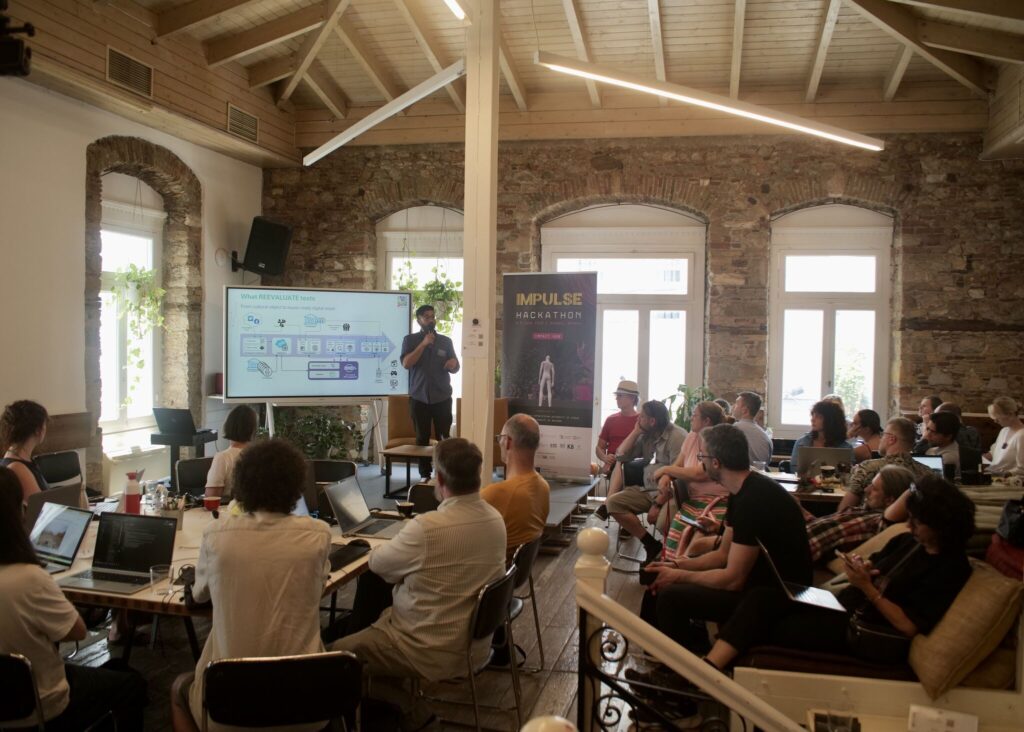
Figure 3: REEVALUATE presenting its framework, project results and Marketplace during the IMPULSE Hackathon synergy session in Athens, June 2026.
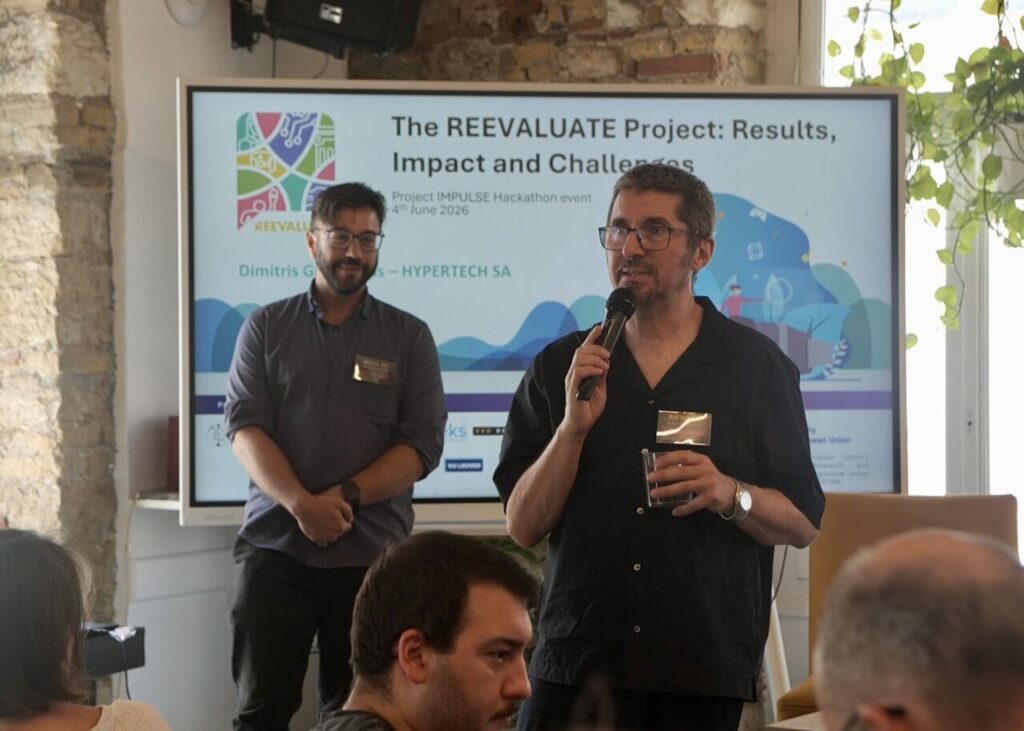
Figure 4: “The REEVALUATE Project: Results, Impact and Challenges” presented during the IMPULSE Hackathon, including a demonstration of the REEVALUATE Marketplace.
Developing the IMPULSE Skills Lab
During Challenge 5 of the IMPULSE Hackathon, REEVALUATE contributed to the development of a concept for an IMPULSE Skills Lab.
The work started from a shared challenge: digital cultural heritage requires more than technology. Professionals need a combination of technical, legal, ethical, curatorial and collaborative skills if digital assets are to be meaningfully reused and valorized.
The concept developed during the Hackathon considered a Skills Lab based on modular and personalized learning, collaborative project work and the IMPULSE platform.
Areas explored included:
- legal skills, licensing and copyright
- ethical and legal frameworks for digital cultural heritage
- digital and technical skills
- sustainable and responsible practices
- curation and contextualization
- collaborative and project-based learning
For REEVALUATE, this discussion connected directly with the practical uptake of its own Marketplace and enablers. Cultural heritage institutions and creative users need to understand not only how to access digital assets, but also their context, rights, reuse conditions and the workflows needed to work with them responsibly.
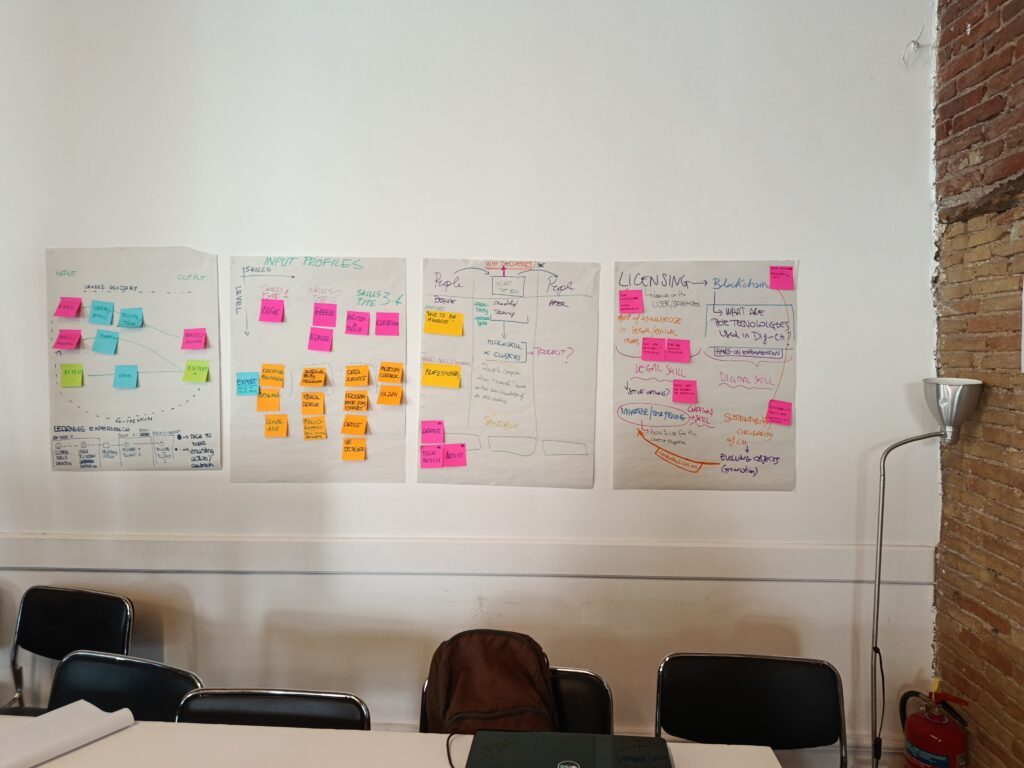
Figure 5: Challenge 5 workshop outputs developed during the IMPULSE Hackathon, exploring the professional skills, legal knowledge and digital competences needed for the reuse and valorization of cultural heritage.
Taking the Skills Lab concept into the IMPULSE virtual environment
The Skills Lab work did not remain only a workshop exercise.
The presentation developed around the Skills Lab concept during Challenge 5 was subsequently uploaded to the IMPULSE platform and presented inside the project’s virtual environment.
The presentation was displayed through the platform’s avatar-based immersive format, demonstrating how project concepts and learning material can be presented within a shared virtual environment.
For REEVALUATE, this provided a useful first-hand experience of how the IMPULSE platform can support learning, collaborative presentation and immersive engagement around digital cultural heritage.
It also helped create the basis for the next, more ambitious collaboration route: exploring whether actual REEVALUATE cultural heritage assets — beginning with material from MoMu and potentially other pilots — can be introduced into IMPULSE virtual environments.
Three sister projects, one policy conversation
The relationship with IMPULSE has also expanded beyond technical and skills-oriented exchange into joint policy work together with REEVALUATE’s other sister project, DIGICHer.
The three projects opened a new coordination process focused on identifying common messages from their respective research, pilots and policy work.
During the joint call, the projects agreed to work toward a joint position paper bringing together lessons and recommendations from REEVALUATE, IMPULSE and DIGICHer.
The collaboration is also being used to identify opportunities for:
- a joint online policy event built around the position paper
- coordinated responses to relevant European consultations
- cross-referencing policy recommendations and key project outputs
- mutual participation in events
- continued cooperation as the three projects approach different stages of completion
Each project is contributing policy recommendations and key deliverables to a shared working space. A second coordination meeting is scheduled to review the first position-paper draft and agree on the next steps.
The planned public event is expected to be a focused policy panel, using the joint paper as the basis for discussion.
Sister-project collaboration from the beginning
IMPULSE and DIGICHer were identified as REEVALUATE’s most immediate sister-project environment from the beginning of the project’s ecosystem-building work.
Early activities included a first joint online meeting, a technical exchange, dissemination and communication planning, and a common presentation during Heritage Horizons / Europeana Project Week.
From assets to experiences
The next stage of the REEVALUATE–IMPULSE collaboration is focused on turning the existing sister-project relationship into concrete reuse demonstrations.
The first priority is the proposed transfer of suitable MoMu fashion assets into the IMPULSE platform. The projects will need to confirm which material can be shared, what technical formats are appropriate and what licensing and reuse conditions apply.
In parallel, REEVALUATE is examining whether material from its other pilot domains could also be suitable for immersive reuse.
If feasible, this would allow IMPULSE to create one or more virtual environments incorporating assets produced or managed through REEVALUATE, offering a practical demonstration of how cultural heritage can move between European project ecosystems.
At the same time, the collaboration will continue through the new three-project policy work with DIGICHer and through further opportunities for skills, dissemination and sister-project exchange.