REEVALUATE Final Event in Aquileia: Celebrating Three Years of Cultural Heritage Innovation
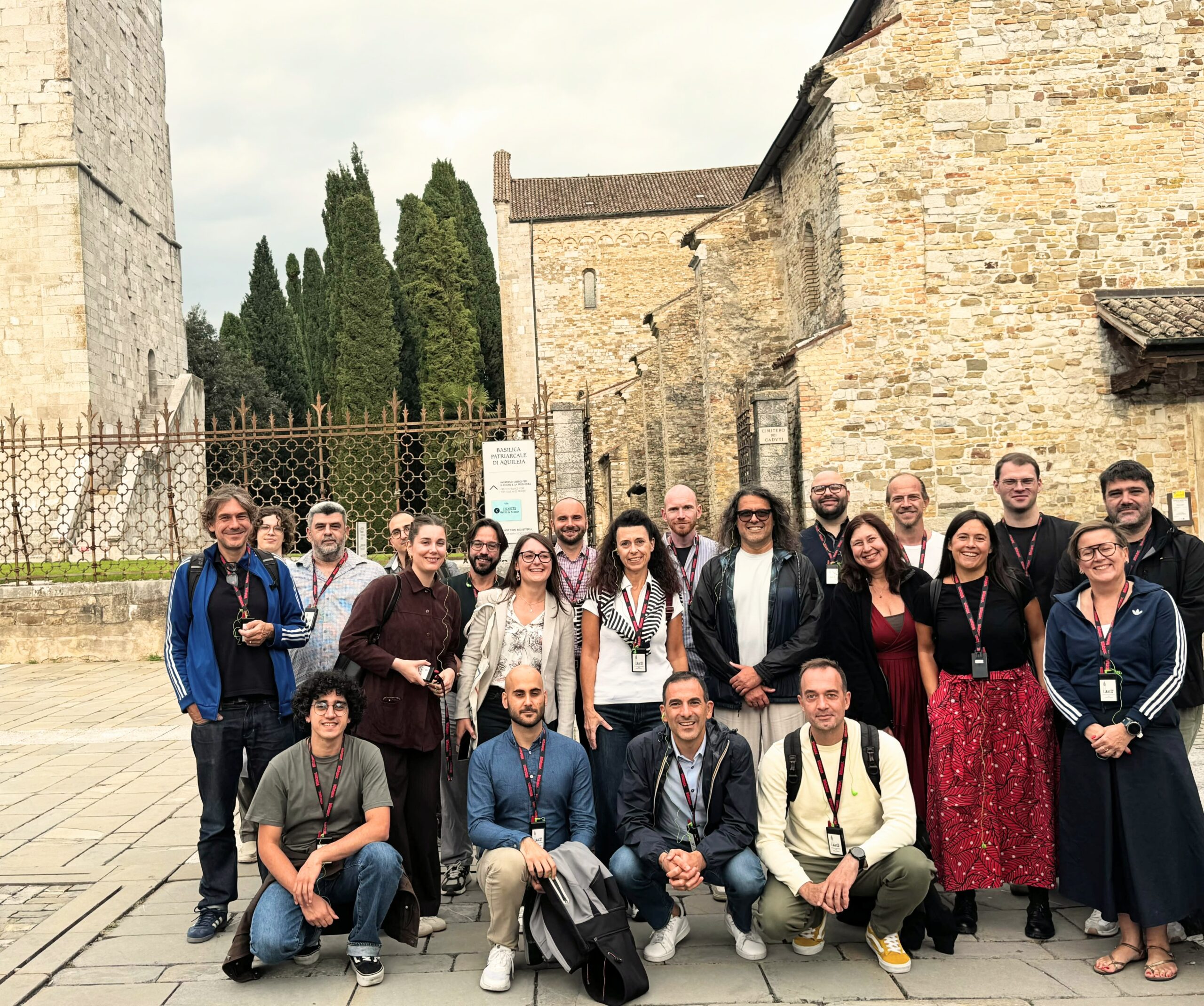
On 25 September 2026, the REEVALUATE consortium gathered in Aquileia, Italy, for its Final Event, bringing together project partners, cultural heritage professionals, researchers and representatives of related European initiatives to share the project’s achievements and explore the future of digital cultural heritage.
Hosted by Fondazione Aquileia, the event provided an opportunity to reflect on the work carried out throughout the project, present the REEVALUATE framework and its practical applications, and discuss how digital technologies can support more open, collaborative and responsible approaches to cultural heritage management.
The historic setting of Aquileia offered a particularly fitting backdrop for the occasion, connecting the challenges of preserving Europe’s cultural heritage with new opportunities for its digitization, contextualization and creative reuse.
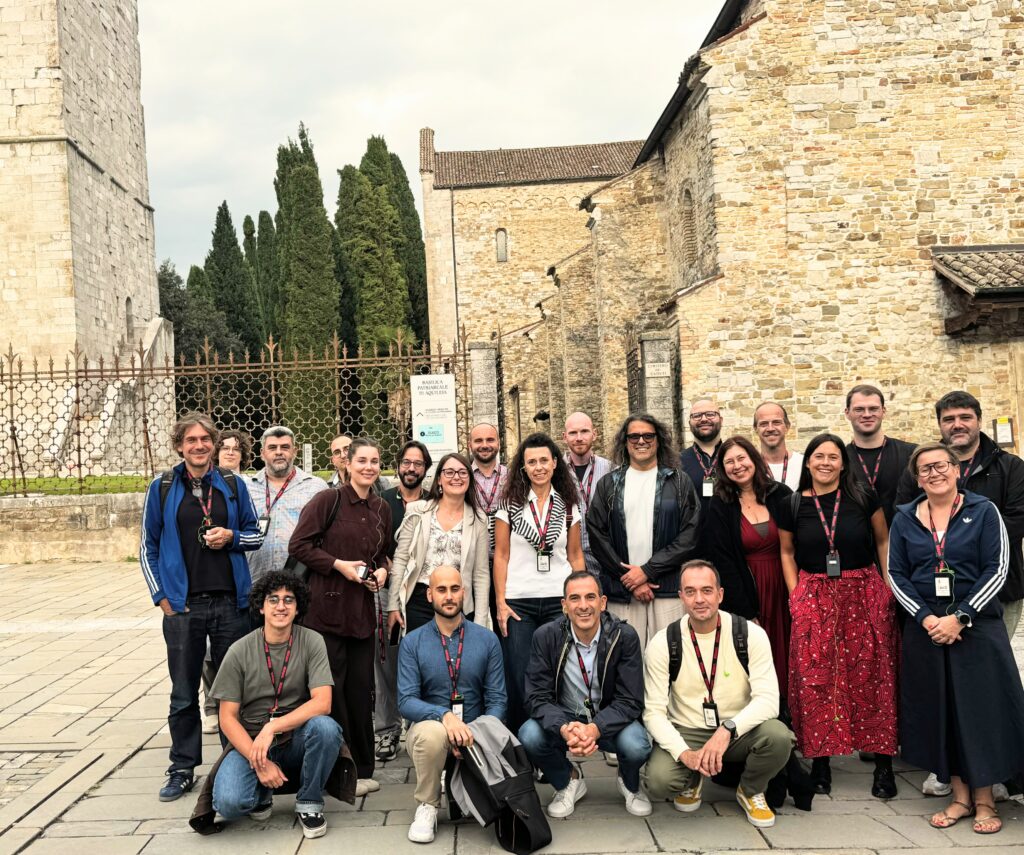
Figure 1: REEVALUATE partners and participants gathered in Aquileia, Italy, for the project’s Final Event on 25 September 2026.
Bringing the REEVALUATE journey together
Over three years of collaboration, REEVALUATE has worked to address a central challenge facing cultural heritage institutions: how can digitized collections become more accessible, meaningful and reusable while respecting their original context, rights and cultural significance?
The project has brought together cultural heritage institutions, technology providers, researchers and creative-sector stakeholders to develop a framework connecting different stages of cultural heritage management.
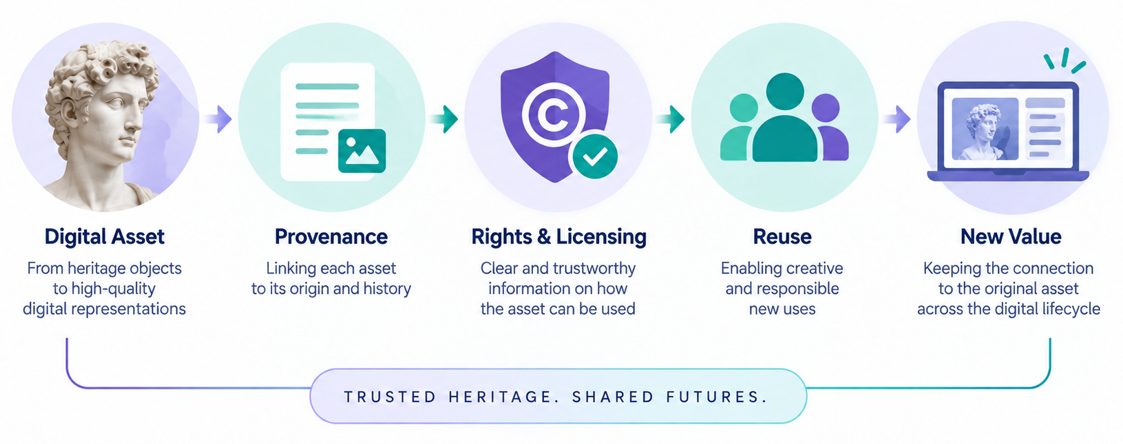
Rather than approaching digitization as an isolated activity, REEVALUATE has explored how public participation, contextual information, digital asset management, collaboration and responsible creative reuse can contribute to a more connected heritage ecosystem.
The Final Event provided an opportunity to present this approach as a whole, demonstrating how the project’s different developments contribute to a shared vision of cultural heritage that can be discovered, understood and creatively explored by different audiences.
From project concepts to practical applications
The morning session, held at Palazzo Brunner-Segré, introduced the project’s objectives, approach and principal achievements.
A central part of the program was the presentation of REEVALUATE’s three pilot cases, which provided real-world environments for applying and evaluating the framework:
- Fashion Heritage and Creative Reuse: Exploring how historical garments and museum collections can inspire contemporary creative applications, including sewing patterns and interactive digital experiences.
- Olympic Heritage and Music: Connecting sporting heritage and historic musical instruments with digital engagement, contextualization and creative reuse.
- The Historic Site of Aquileia: Combining community engagement, archaeological digitization and contextual information to support new ways of experiencing an important European heritage site.
Together, the pilots illustrated the flexibility of the REEVALUATE approach across different collections, institutions and creative contexts.
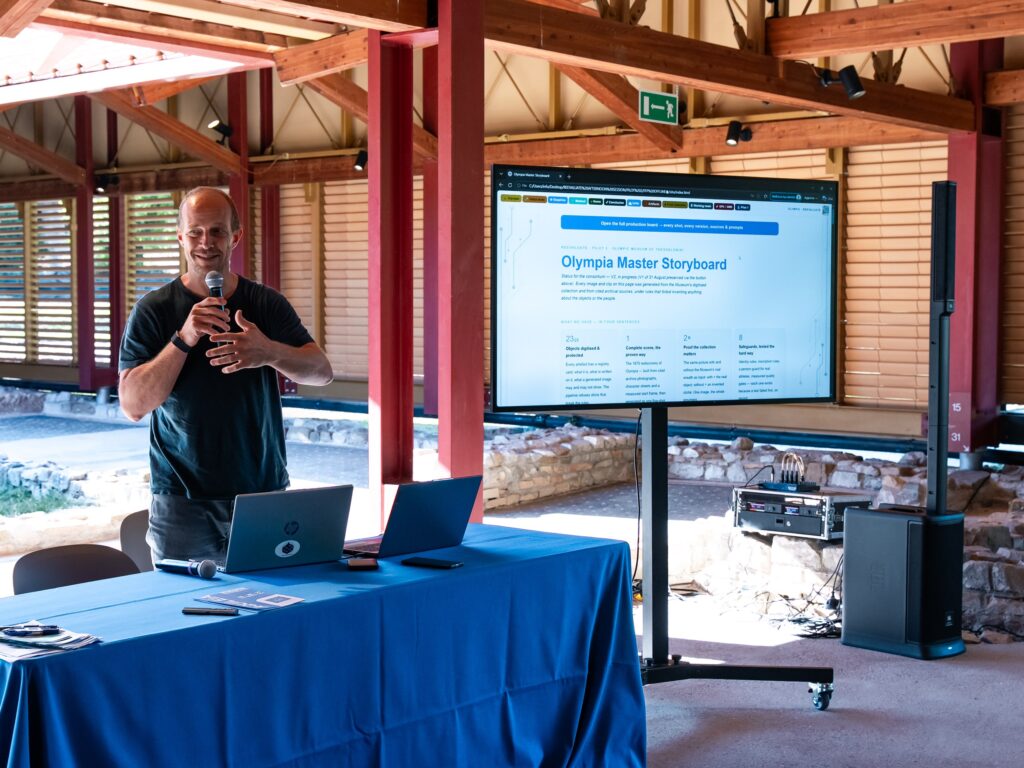
Figure 2: Presenting the REEVALUATE framework and its applications across three cultural heritage pilots. On picture pilot 2 presentation during the afternoon session.
Discovering the tools behind the framework
Beyond the project presentations, participants had the opportunity to explore the digital tools developed through REEVALUATE.
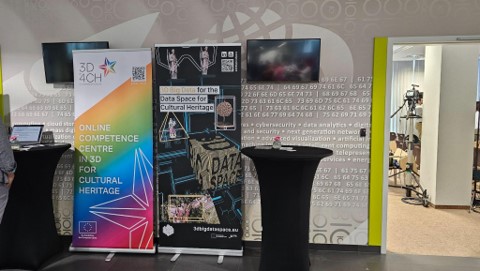
The event’s Pilots & Enabler Café created a more interactive setting for discovering how the project supports different aspects of cultural heritage management, from public sensing and contextualization to collaboration, asset management and creative reuse.
This format encouraged direct exchanges between the project partners responsible for developing the tools and the cultural heritage professionals and stakeholders interested in their practical applications.
It also demonstrated an important aspect of REEVALUATE’s work: the value of combining technical developments with the knowledge, needs and experiences of the people who manage and work with cultural heritage.
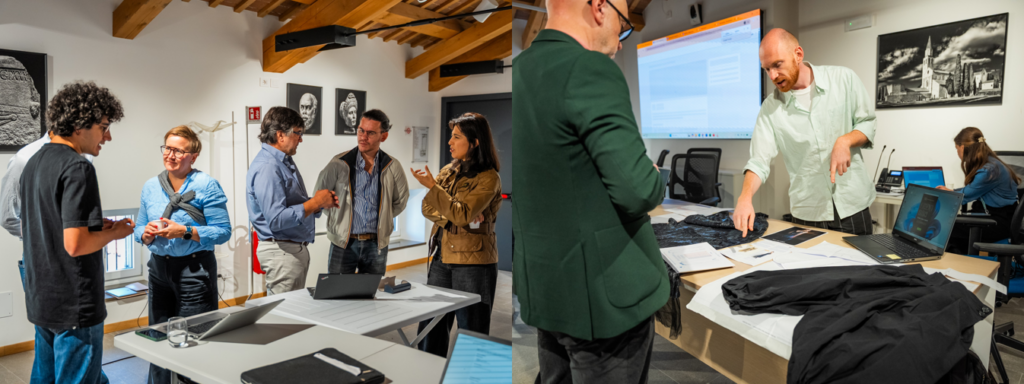
Figure 3: Participants exploring REEVALUATE tools and pilot applications during the Pilots & Enabler Café.
Connecting projects, exchanging perspectives
The Final Event also looked beyond the REEVALUATE consortium.
A dedicated synergy session welcomed representatives of other European initiatives working on related challenges in cultural heritage, digital technologies and innovation.
The participation of BCT Hubs, IMPULSE and RESTORY offered opportunities to exchange experiences, identify shared interests and discuss how research results can contribute to a broader European cultural heritage ecosystem.
Alongside these exchanges, discussions on policy, responsible innovation and stakeholder perspectives encouraged participants to reflect on the wider conditions needed to support the adoption and long-term use of digital cultural heritage solutions.
These conversations highlighted that technical innovation is only one part of the picture. Collaboration, institutional readiness, skills, responsible data practices and sustainable approaches are equally important for ensuring that project results can create lasting value.
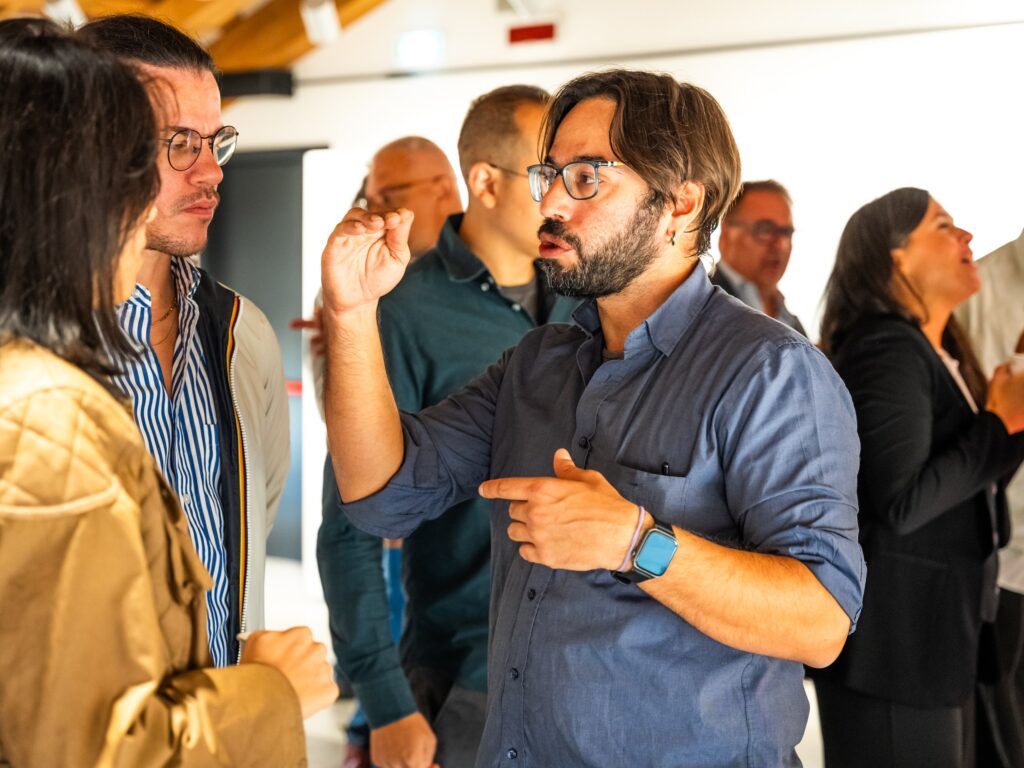
Figure 4: Representatives of European cultural heritage initiatives exchanging experiences during the REEVALUATE Final Event.
Experiencing digital heritage in Aquileia
In the afternoon, activities continued at the Domus of Titus Macer, bringing participants closer to the archaeological heritage that forms the basis of REEVALUATE’s third pilot.
The setting offered an opportunity to connect the project’s digital developments with the physical heritage they are intended to preserve, interpret and make more accessible.
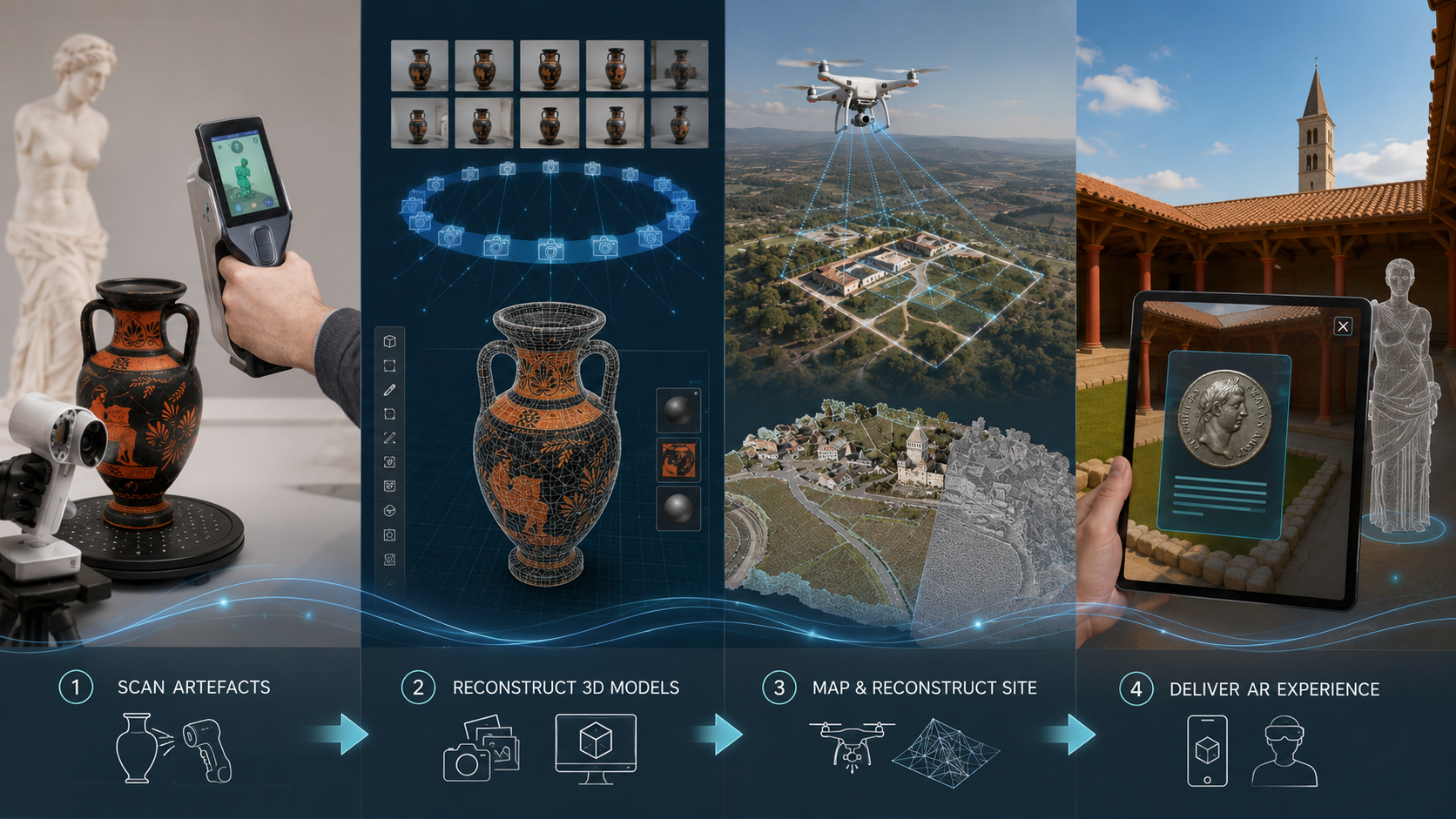
Aquileia’s pilot demonstrates how archaeological documentation, 3D reconstruction, contextual information and digital experiences can complement the understanding of a historic site.
By bringing the event into the archaeological environment itself, the afternoon activities emphasized the relationship between cultural heritage, the communities connected to it and the technologies that can support new forms of engagement.
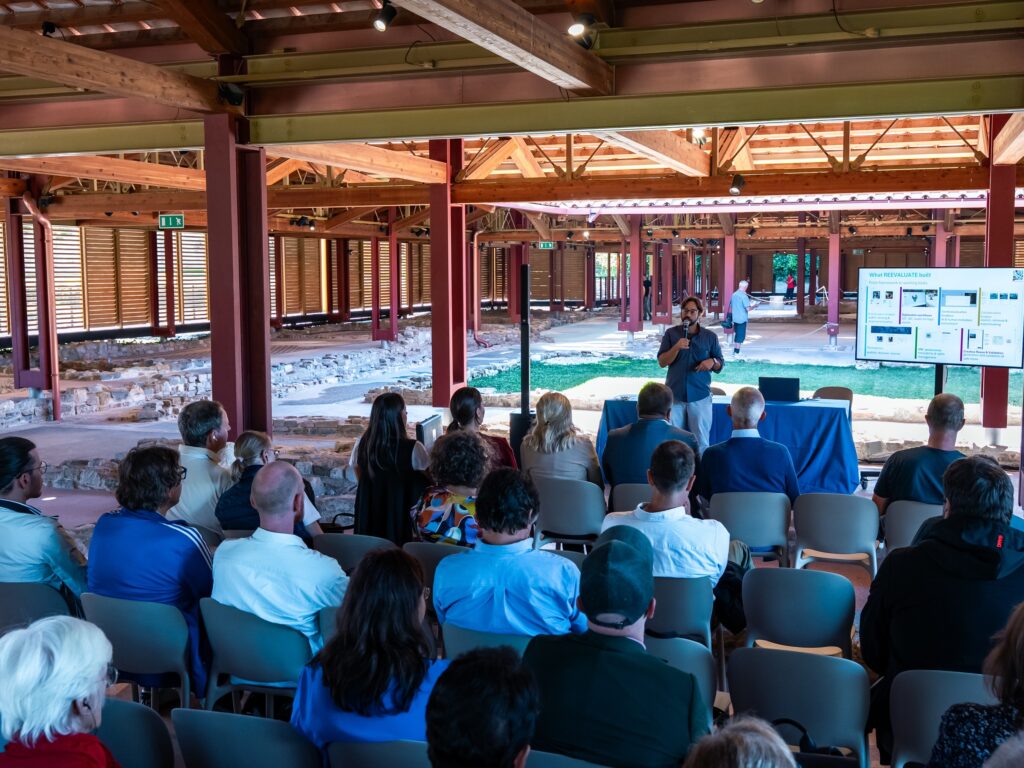
Figure 5: Afternoon activities at the Domus of Titus Macer connected REEVALUATE’s digital heritage developments with Aquileia’s archaeological landscape.
Looking beyond the Final Event
The REEVALUATE Final Event marked an important milestone in the project’s journey, bringing together years of collaborative research, technical development, experimentation and stakeholder engagement.
The experience of the three pilots demonstrated that cultural heritage digitization is not simply about creating digital representations of physical objects. It also involves understanding their meaning, involving relevant communities, protecting their rights and context, and enabling appropriate forms of access and reuse.
Through its integrated framework, digital tools and practical pilot experiences, REEVALUATE has contributed knowledge and approaches that can inform future cultural heritage initiatives.
The event also reinforced the importance of maintaining connections between cultural heritage institutions, researchers, technology developers and creative professionals beyond individual project activities.
REEVALUATE extends its thanks to Fondazione Aquileia for hosting the event, to all consortium partners for their contributions throughout the project, and to the external participants and collaborating initiatives who joined us in Aquileia.
The Final Event may have marked the closing phase of REEVALUATE, but the conversations, collaborations and opportunities it highlighted remain relevant to the future of Europe’s digital cultural heritage.
REEVALUATE has received funding from the European Union’s Horizon Europe Research and Innovation Programme under Grant Agreement No. 101132389.
Views and opinions expressed are however those of the author(s) only and do not necessarily reflect those of the European Union or the European Research Executive Agency. Neither the European Union nor the granting authority can be held responsible for them.