From Museum Collection to Contemporary Sewing Pattern - The Story of Mildred
A museum garment is usually preserved because of what it can tell us about the past. But what happens when that knowledge is translated into something people can actively make, wear and reinterpret today?
Within REEVALUATE’s Fashion Heritage Pilot, a 1920s evening dress from the collection of MoMu – Fashion Museum Antwerp became the starting point for Mildred, a contemporary sewing pattern developed with Fibre Mood.
The result was not a simple one-on-one copy of a historical garment. It was a complete creative-reuse process.
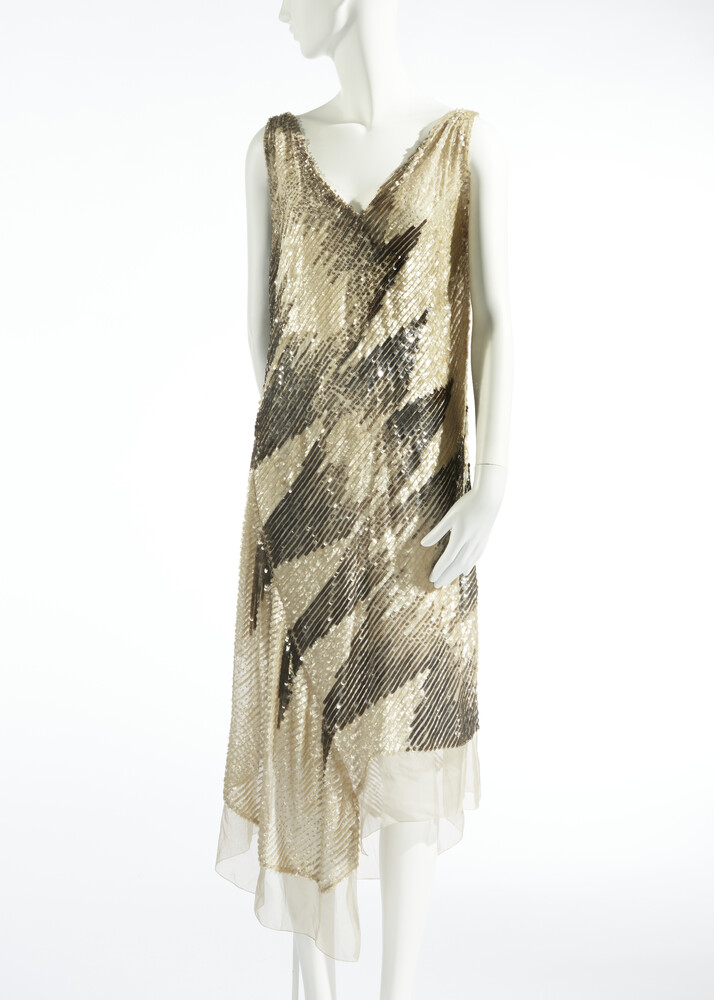
Figure 1: The original 1920s evening dress from MoMu’s collection and its contemporary reinterpretation, Mildred.
A dress from the Jazz Age
The original museum object, identified as ST2202, is a silk evening dress from the 1920s, decorated with sequin embroidery.
The garment reflects the atmosphere of the Jazz Age and was likely worn on festive occasions. Beyond its visual elegance, it offers strong storytelling possibilities. It can be connected to changing social roles, greater freedom for women during the period, and the broader contrast between the decade’s glamour and the economic difficulties that followed at the end of the 1920s.
Understanding the garment before reusing it
Before a historical garment can become a modern sewing pattern, it must first be understood in detail. MoMu’s work began with an assessment of the dress’s physical condition. The garment had to be handled carefully and studied without placing unnecessary stress on the materials.
The next stage focused on analysing how the dress had been constructed. MoMu’s in-house pattern maker examined its components, seams, proportions and tailoring techniques to understand how the garment had originally been assembled.
Digitizing fashion heritage does not mean simply photographing the front and back of a dress. The knowledge contained in its construction (the shape of the pattern pieces, the way fabric falls, the relationship between seams and silhouette) is also part of the asset.
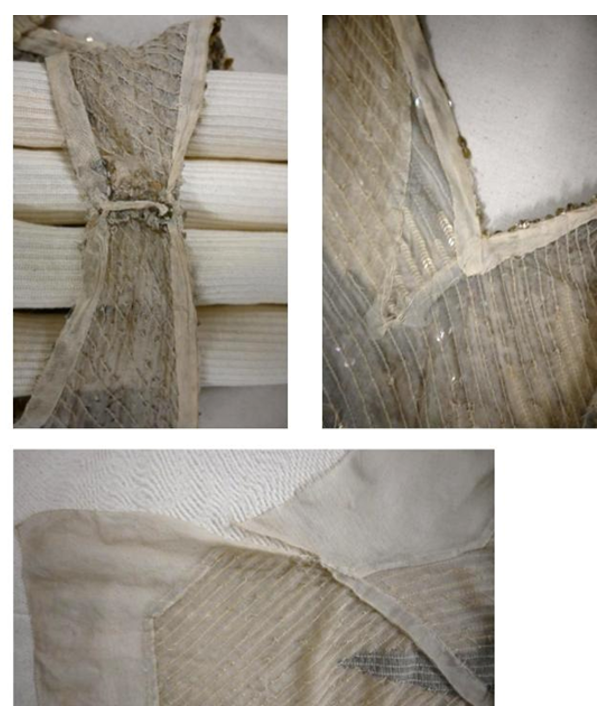
Figure 2: Details of the original 1920s evening dress, showing construction features, seams and fabric details examined during the garment analysis.
From measurements to a digital pattern
The original garment was then carefully measured so that its underlying pattern could be reconstructed.
MoMu used a professional design software, used by the fashion industry, that allows pattern pieces to be assembled on a virtual avatar and tested through realistic simulations of fabric behavior, drape and fit.
The first 3D version functioned as a digital toile: a basic prototype used to assess and validate the structure and proportions of the garment. A more detailed version then incorporated richer texture and fabric characteristics, helping the team compare the virtual reconstruction with the original dress.
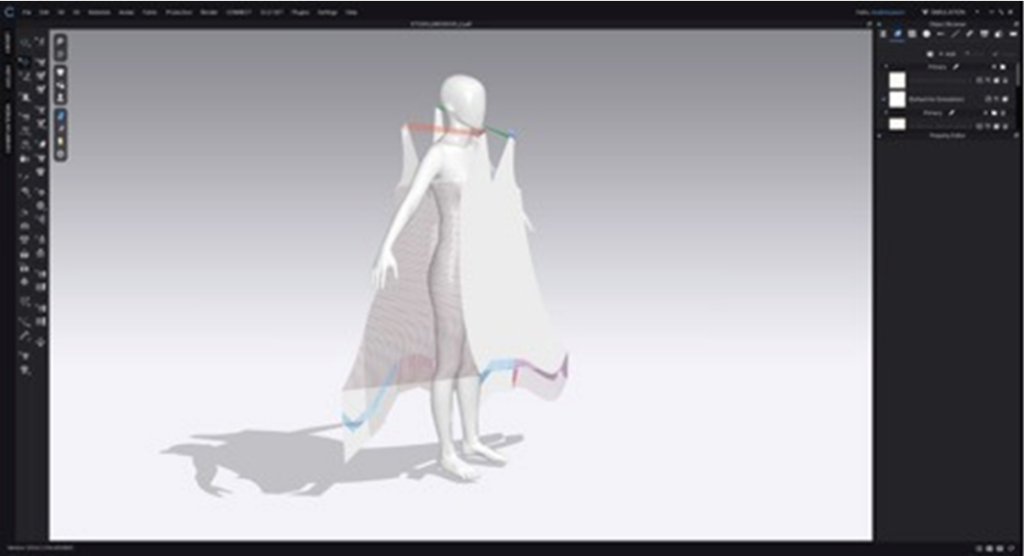
Figure 3: 3D reconstruction of the historical dress used to test and validate the garment’s structure, proportions and fit in a virtual environment.
Adding context to the pattern
The reconstruction process also included metadata review and storytelling enrichment.
Information about the dress’s period, materials, construction and cultural significance was prepared alongside the technical pattern. This ensured that the object would not be separated from its historical meaning.
The intention of this connection was not simply to make a vintage-looking dress available for download. Makers should also be able to understand where the design came from, how it related to the original museum object and why that object mattered.
From historical reconstruction to Mildred
Using the research and digital outputs prepared by MoMu, Fibre Mood transformed the historical garment into a new sewing pattern called Mildred.
Mildred is not an exact replica of ST2202. It is a contemporary reinterpretation that retains the visual connection with the 1920s dress while adapting it to modern sewing practices, materials, body sizes and user expectations.
A physical version of Mildred was produced and displayed in the MoMu museum shop, together with printed paper patterns.
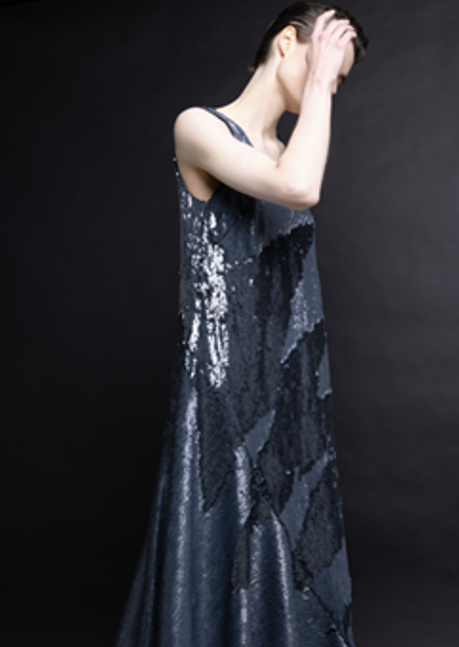
Figure 4: The contemporary Mildred dress, developed by Fibre Mood as a reinterpretation of MoMu’s 1920s evening dress.
Bringing digital and physical reuse together
The Mildred case demonstrates how digital and physical forms of heritage reuse can reinforce one another.
The process began with a physical museum object. That object was studied, documented and translated into digital resources: measurements, a vectorized pattern, a 3D model, metadata and contextual storytelling.
These digital outputs then supported the creation of a new physical garment and a practical sewing product.
What Mildred shows about creative reuse
First, successful reuse begins with careful object selection. Not every artefact is equally suitable for every creative application. Historical significance, physical condition, technical structure, rights status and audience relevance all need to be considered.
Second, creative reuse requires more than access to an image. Fibre Mood needed information about the dress’s construction, proportions, materials and history before it could produce a meaningful reinterpretation.
Third, digital tools are most valuable when combined with specialist knowledge. The creation of a 3D model/replica supported validation and experimentation, but the process always depends on pattern-making expertise, curatorial interpretation and practical knowledge of contemporary sewing.
Finally, reinterpretation does not have to weaken the integrity of the original object. When provenance and context remain visible, new creative outputs can extend the reach of a collection while maintaining a clear relationship with its source.
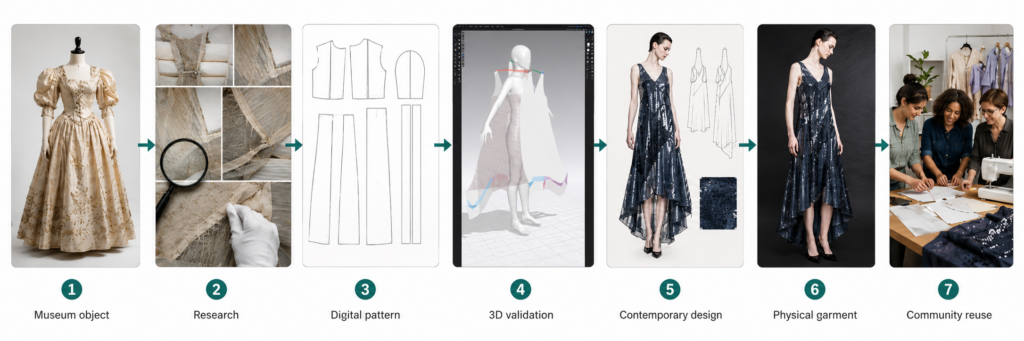
Figure 5: From museum object to community reuse: the Mildred workflow, tracing the process from garment research and digital pattern development to 3D validation, contemporary reinterpretation and reuse.
REEVALUATE has received funding from the European Union’s Horizon Europe Research and Innovation Programme under Grant Agreement No. 101132389.