What the EU’s new culture work plan means for digital heritage
On 20 November 2026, the Council of the European Union approved the EU Work Plan for Culture 2027-2030. The resolution sets priorities for cooperation among EU countries over the next four years. For museums, archives and creative practitioners, it brings three questions into focus. How can institutions keep digital collections usable over time? How might AI change the way people discover them? And how can heritage institutions and designers work together to put collections to new uses?
Preserving a collection after digitisation
The work plan identifies long-term preservation of digital heritage as a possible topic for exchanges among Member States. Those exchanges could help institutions develop shared approaches and tools for preserving audiovisual, textual, visual and built heritage across borders. The resolution also connects digitisation with protecting heritage in the face of disasters and other risks.
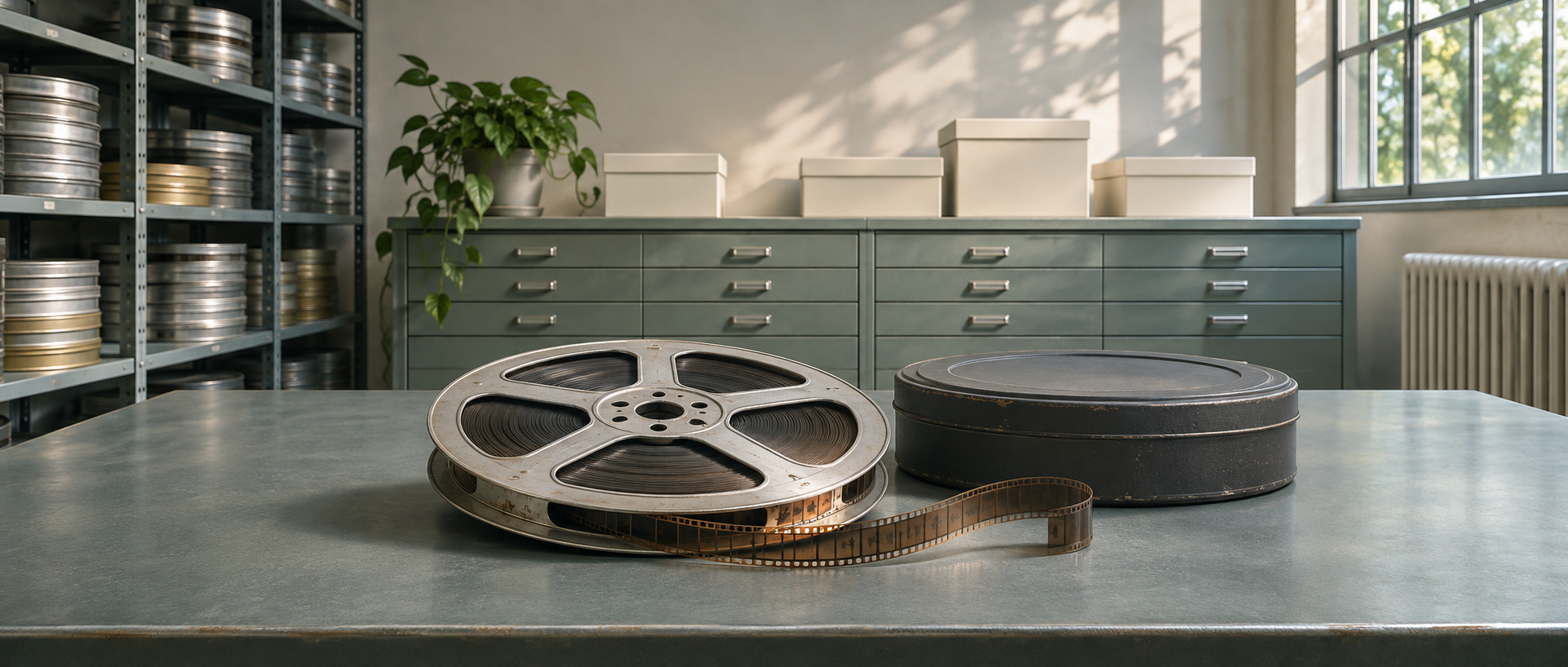
For a film archive, the practical work continues after a reel is scanned. Staff need to be able to find and play the file when software changes. The catalogue also needs to explain which version they are looking at and how it was made. Sharing how institutions handle these tasks can help them plan for the lifetime of a collection.
How digitised collections can support creative work
The work plan includes creative fashion and design among the sectors for policy cooperation. It also identifies creative fashion as a possible topic for countries to share experience on skills, sustainability and passing on craft knowledge.
REEVALUATE’s fashion pilot offers one example of collaboration. MoMu – Fashion Museum Antwerp studied and digitally reconstructed a 1920s evening dress from its collection. Fibre Mood used that work to develop Mildred, a contemporary sewing pattern. Understanding the original garment’s seams, proportions and construction gave the designers something they could work with and adapt for people sewing today. Read the story of Mildred.
What to watch as the plan rolls out
The resolution proposes policy dialogues on AI in the cultural and creative sectors. Possible topics include how people discover European cultural content online, how AI systems serve regional and minority languages, and how museums and libraries are responding to these tools. For a collection described partly in a regional language, one practical question is whether people can find its records by searching in that language.
The next developments to watch are which digital preservation exchanges go ahead and which topics the AI dialogues address first. These will show where heritage institutions can bring lessons from their own collections into the European discussion.
REEVALUATE has received funding from the European Union’s Horizon Europe Research and Innovation Programme under Grant Agreement No. 101132389.